The Victoria Promenade was built around 1743 and became the first public space in the city. It was the final point of the underground aqueduct of La Piedad, water pipes that came from the springs of Sidueña-Sierra of San Cristóbal to supply water to the city and to the fleet anchored in the Bay.
The new promenade was built at he request of Captain General D. Tomás de Idiáquez and thnaks to the cession of land of poplar and orange groves belonging to the nearby Monastery of La Victoria.
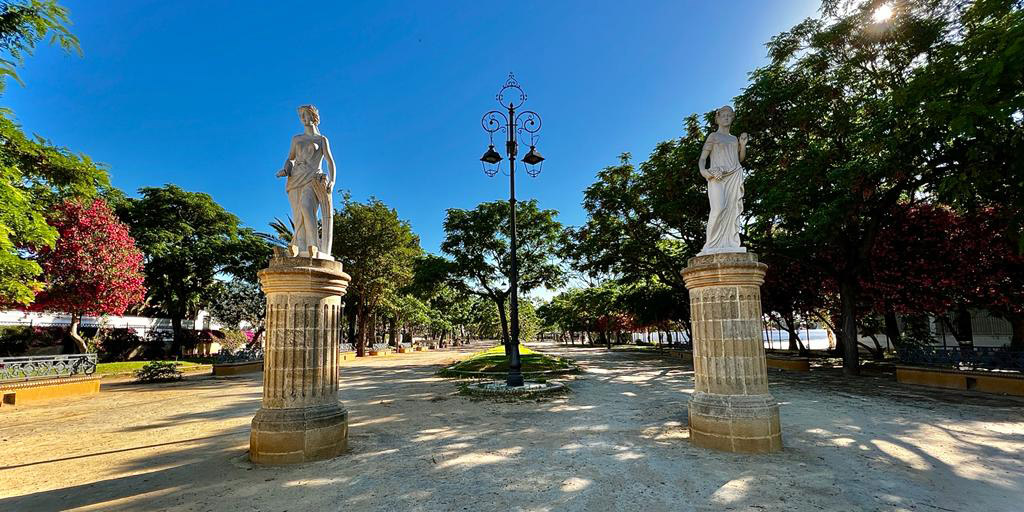
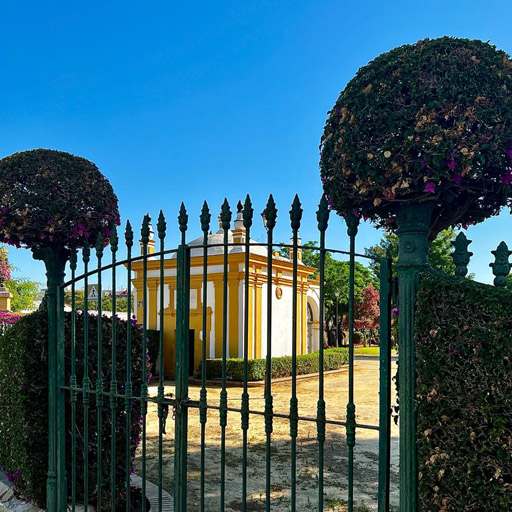
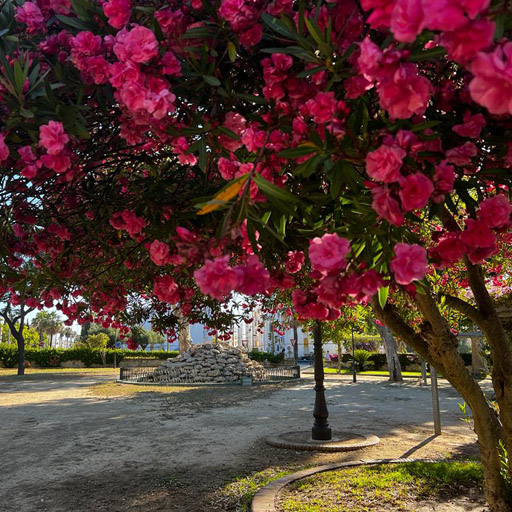
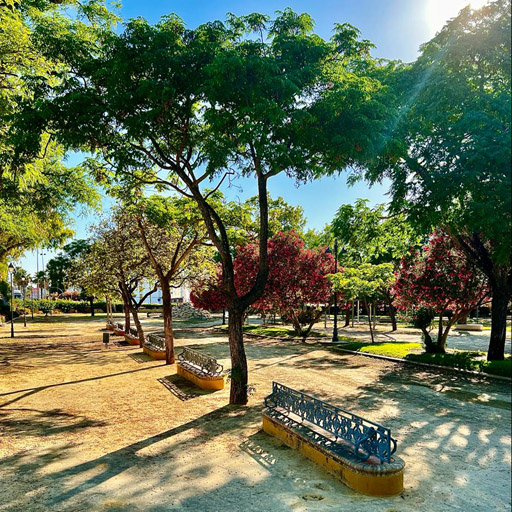
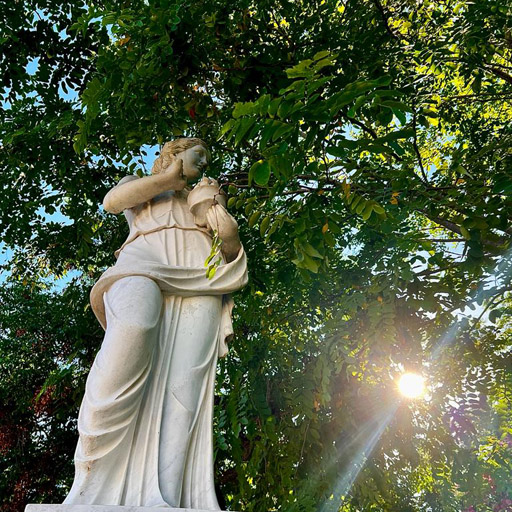
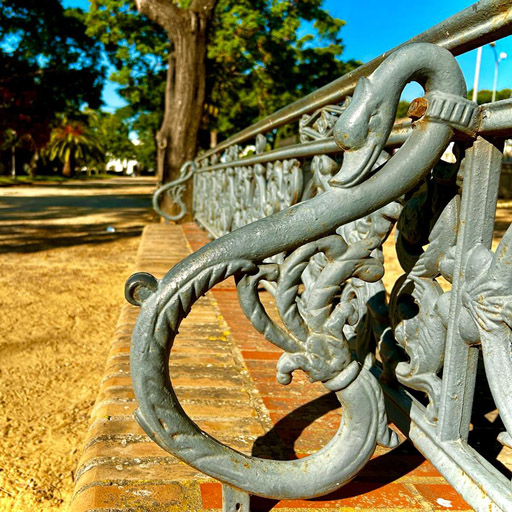
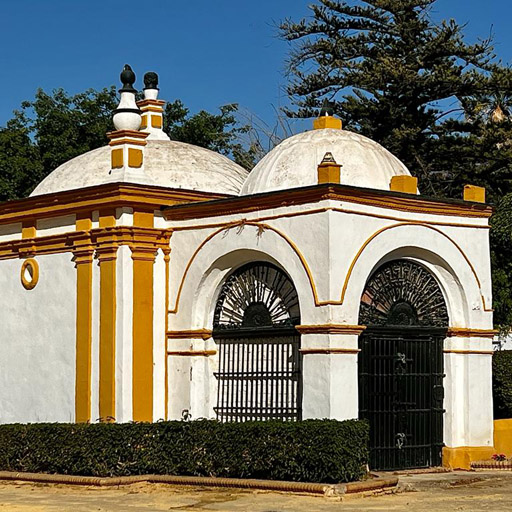
We remember this place with its fountains and walkaways, Los Caminantes hermitage and the well known "Caja de Aguas", both constructions located at the entrance of the promenade.
A romantic garden with fountains, ponds and waterwheels. Exotic trees, rose bushes, railings and wooden benches, vases, sculptures on pedestals, kiosks and gas lampposts illuminated a promenade that was "the visitor's delight"
The great transformation of the Victoria Promenade took place at the beginning of the 20th century when the Sericicola station for the breeding of silkworms and the planting of mulberry trees was built on the grounds of the Promenade, a new fountain was built to replace the previous one and, from the 1960's onwards, the National IV road, the Pedro Muñoz Seca High School and the Alcalde Juan Melgarejo neighbourhood were built. These modifications divided and caused the disappearance of a large part of the nineteenth-century Victoria garden.
The Victoria Promenade is remembered by generations of Portuenses as the place where the evenings were held, parallel to the Livestock Fair, and during the festivity of the Virgen de los Milagros, "la septembrina" (the September festivity)
This small building located outside the city walls, at the entrance to the Victoria Promenade, was built at the request of the people known as the "Resguardos de Rentas", a kind of customs agents who collected and controlled the goods that entered and left the city. They requested permission from the city to build a Hermitage next to the general water box at the entrance to the Promenade, possibly to protect the image from the weather or possible disturbances.
The chapel maintains the typical structure of a popular religious building of reduced proportions, square floor structure, vaulted roof and inner altar. It is closed with grille windows, which allowed a view of the interior and the contemplation of the neoclassical altarpiece where the image of the Inmaculate Concepction. In 1895 the image suffered considerable damage and after its restoration it was moved to San Joaquín church.
A unique building that is still a reference point for pilgrims on theis way to El Rocío.